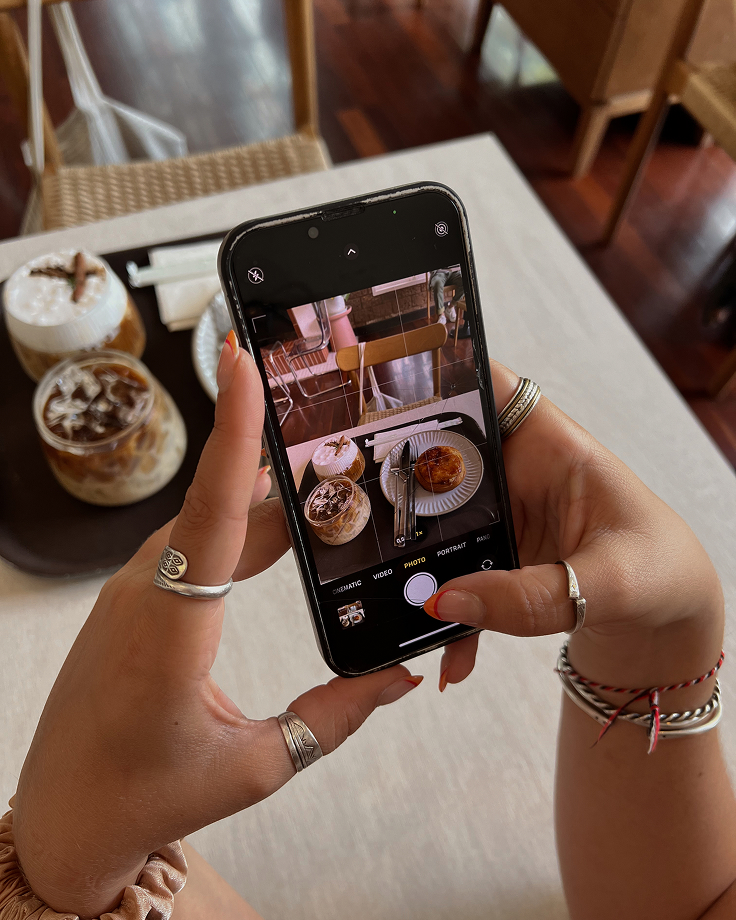
Let’s face it, advertising has become an integral part of our everyday lives. On our screens, in the streets, in our inboxes, on our social media feeds or even in the content created by our favorite creators, brands now have countless ways to reach their audiences.
But do you really know how to distinguish between the different types of advertising and understand the terminology that comes with them?
In the world of influencer marketing, this distinction is particularly important. A campaign can take many forms and leverage different channels, sometimes even within the same strategy. A sponsored post by a creator, a TikTok video amplified through paid advertising or an outdoor ad featuring a well-known personality don’t serve the same objectives or get measured in the same way.
For the first article in our brand-new “Marketing 101” series, we’re taking a look at the main types of advertising and the role influencer marketing plays in today’s advertising ecosystem. Because before building a strategy that stands out, you first need to understand the tools at your disposal!
Print Advertising
Ah, good old print!
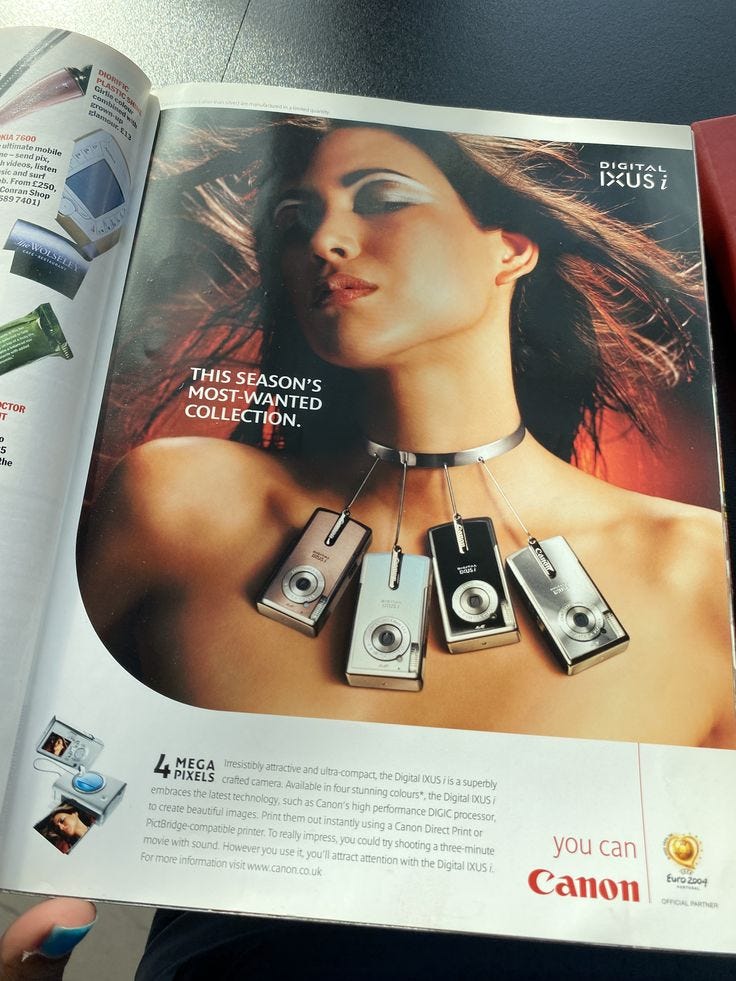
Print advertising includes all ads distributed through paper-based media, such as newspapers, magazines, brochures, flyers and promotional leaflets. Think, for example, of a brochure showcasing a company’s services, a flyer distributed in a store or a promotional leaflet handed out at an event.
Although digital media now play a major role in advertising strategies, print remains relevant for certain brands and audiences.
Magazines, in particular, allow brands to reach communities with specific interests. A cosmetics brand, for example, might choose to place an ad in a magazine to reach an audience already interested in fashion and beauty.
Print can also be part of a strategy that extends beyond paper. A brand might feature a public figure or creator in a print campaign, then extend that campaign across social media by collaborating with them. This is where we begin to see how different advertising channels can complement one another. A brand can appear in a magazine while also partnering with a beauty creator who operates within the same space and can bring the campaign to life for their own community.
The goal isn’t always to choose between two channels, but rather to consider how they can work together to reach an audience at different moments and in different ways.
Outdoor Advertising
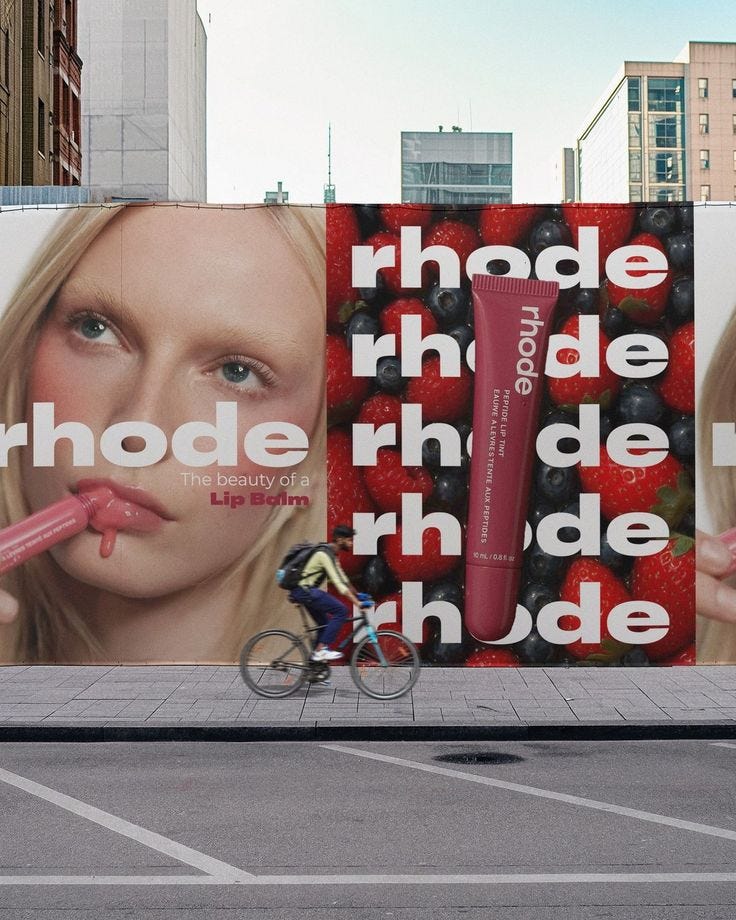
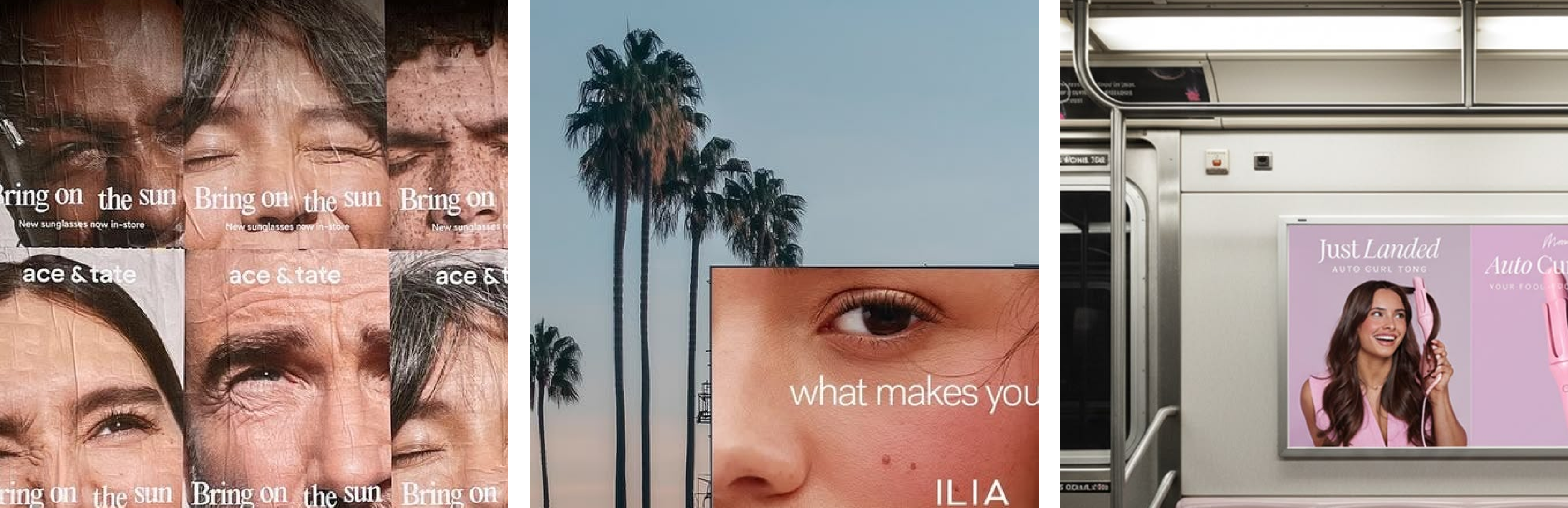
Outdoor advertising encompasses all ads visible outside the home, such as billboards along highways, bus shelters, ads on buses, in the subway or on large digital screens. These formats generally have a very specific objective: to capture attention quickly and increase brand visibility.
Campaigns featuring public figures, brand ambassadors or content creators can also be found in these spaces. In this context, influencer marketing can help put a face to the campaign and create continuity across different touchpoints.
Imagine, for example, a campaign featuring a creator on a billboard in the subway, which then continues on their Instagram and TikTok accounts. The campaign no longer exists solely in the public space. It also extends into the creator’s digital world, reaching a community that already knows them.
Video Advertising
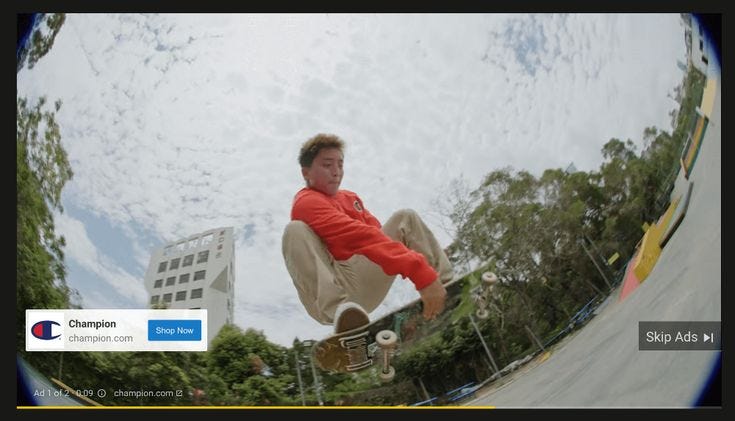
Let’s move on to screens! Between Reels, TikTok videos, video ads and sponsored content, brands have plenty of ways to tell their stories through motion and capture their audience’s attention.
Video advertising can take several forms:
- Television: Traditional commercials broadcast on TV.
- In-stream video ads: Ads shown before, during or after a video, such as on YouTube.
- CTV (Connected TV): Video ads delivered through connected television and streaming environments.
- Social media video: Ads distributed on TikTok, Instagram, Facebook, YouTube and other platforms.
It’s precisely within this last category that influencer marketing begins to blur the lines between advertising and content. When a creator produces a sponsored video for a brand, the content typically takes the form of a post that fits naturally into their usual content style. Unlike a traditional commercial, the message is delivered through the creator’s voice, style and personality.
But this content can go even further. A brand might, for example, use a video created by an influencer as part of a paid advertising campaign. Organic content then becomes an additional advertising asset that can be amplified to reach a wider audience.
This is an important distinction to understand: content produced by a creator and the paid distribution of that content are two separate elements of the same strategy.
Audio Advertising
Once primarily associated with radio, audio advertising has evolved significantly with the rise of podcasts, music streaming platforms and other digital audio environments.
Podcasts are particularly interesting from an influencer marketing perspective, as they often rely on a close relationship between the host and their audience. When a host talks about a product or service as part of a partnership, the ad can take on a much more conversational tone than a traditional advertising message.
This brings us back to a principle at the heart of influencer marketing: the trust and relevance of the messenger can be just as important as the message itself.
Digital Advertising
Online advertising, or digital advertising, encompasses a wide variety of formats and strategies. Here are some of the main ones:
- Display advertising: The use of banners, images or videos placed on websites.
- Native advertising: Advertising content designed to blend naturally into the environment in which it appears.
- Search engine advertising: Paid ads, particularly through Google Ads, that appear when a user searches for specific keywords.
- Social media advertising: Paid ads distributed on platforms such as Instagram, Facebook, TikTok, LinkedIn and YouTube.
- Email advertising: Commercial messages sent to a contact database with the goal of acquiring, engaging or retaining customers.
And of course, influencer marketing!
But Where Does Influencer Marketing Actually Fit In?
Influencer marketing is often associated with social media, but it goes far beyond a simple sponsored post. An influencer campaign can include different types of content: a TikTok video, a series of Instagram stories, a static post, an appearance at an event, UGC content or even a long-term collaboration with a brand ambassador.
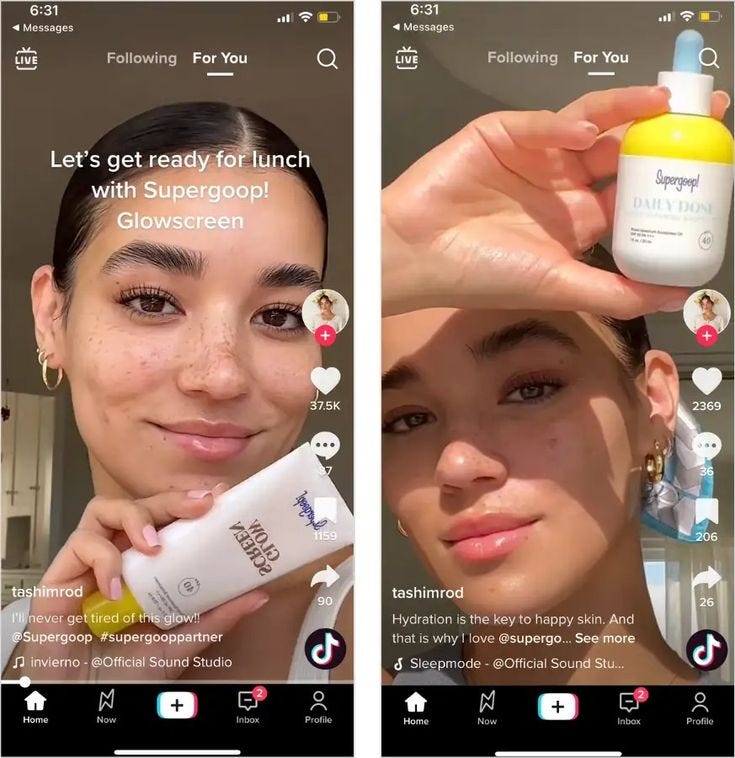
And more importantly, content created as part of an influencer campaign can then be used in several different ways.
A brand can publish the content on its own platforms, the creator can share it with their community and, with the appropriate usage rights, the brand can also choose to amplify it through paid advertising.
This brings us to several complementary marketing channels:
- Owned media: Channels owned by the brand, such as its website or social media accounts.
- Paid media: Advertising placements that a brand pays for to reach an audience.
- Earned media: Visibility gained organically through mentions, shares, PR coverage or word of mouth.
Influencer marketing can overlap with several of these categories at once. This is one of the things that makes it so interesting within an integrated marketing strategy!
Why Does This Distinction Matter?
Because a campaign shouldn’t be built solely around the channel being used, but rather around the objective you want to achieve.
Are you looking to increase brand awareness? Generate engagement? Introduce a new product? Drive conversions? Reach a specific community?
The answers to these questions can influence the choice of formats, platforms and partners a brand decides to work with.
Choosing a creator isn’t simply about selecting someone with a certain number of followers. You need to consider their audience, their content universe, their credibility within that community, their content style and how their image can naturally align with the brand.
In influencer marketing, the right channel matters, but the right messenger matters just as much.
In short, from print to outdoor advertising, from television to social media, the advertising landscape is vast and constantly evolving. The boundaries between different formats are also becoming increasingly blurred. A campaign can live across multiple channels, take on different forms and reach the same audience in completely different ways.
Ultimately, a strong influencer marketing strategy doesn’t start with “Which creator should we choose?” but rather with “What do we want to achieve, and how can we leverage influencer marketing to get there?”
This is the strategic thinking behind the campaigns we see every day, and it’s exactly what we want to continue breaking down throughout this series!
See you soon!
Aura Influence